
How to Make Chai Tea: Fragrant Stovetop Masala Chai

How to make chai tea at home in 15 minutes: whole spices, Assam and milk simmered on the stovetop into a fragrant, velvety cup. Brew it tonight.
Learning how to make chai tea takes just 15 minutes, and your kitchen fills with warm spice and a velvety, amber-brown cup. Waking whole spices in a dry pan gives real depth, perfect for slow evenings shared across the table.
Spices simmer in water first, so their fragrant oils bloom before the Assam arrives. Then the milk foams up twice, giving every cup a velvety, rounded body.
Ingredients You'll Need
Water: Plain fresh water is the quiet start of every pot. It pulls the oils from the spices before the milk arrives, so each flavor gets room to open. Filtered water tastes cleanest, but good tap water works fine.
Whole Milk: Whole milk turns the deep reddish-brew into a creamy, velvety chai. Its fat carries the spice and softens the tea's bold edge. Oat milk is the best swap, since it foams nicely and stays smooth on the heat.
Loose-Leaf Assam Black Tea: Assam is a malty, full-bodied black tea from northeast India. It stands up to milk and spice without fading into the background. Any strong loose black tea will do, or two plain black tea bags, opened.
Green Cardamom Pods: These little green pods hold sticky black seeds that smell floral and almost minty. A light crush lets the warmth escape, and that is the heart of masala chai. Use ¼ teaspoon ground cardamom if you have no pods.
Cinnamon Stick: A small cinnamon stick adds a gentle, woody sweetness that lingers on the tongue. It rounds out the sharper spices like a soft hand on the shoulder. A pinch of ground cinnamon works, though the cup turns a little cloudy.
Whole Cloves: Cloves are dried flower buds with a deep, warming bite. Just three bring a dark, almost honeyed note to the pot. A tiny pinch of ground cloves can stand in, but go easy.
Fresh Ginger: Peeled, thinly sliced ginger brings a bright, peppery heat that wakes you up. The thin slices give their juice quickly in the boiling water. Swap in ¼ teaspoon ground ginger if your fridge is empty.
Black Peppercorns: Lightly cracked peppercorns add a slow, gentle warmth at the back of the throat. They make the chai feel alive rather than simply sweet. A small pinch of coarse ground black pepper is the easiest substitute.
Granulated Sugar: Plain white sugar softens the tannins and lets the spices shine. Chai is meant to taste a little sweet, so taste and adjust to your heart. Brown sugar or jaggery gives a deeper, caramel-like cup.


How to Make It (Step by Step)
Everything happens in one small saucepan on the stovetop: toast the spices, simmer them in water, steep the tea, then let the milk foam up twice.
Even if you've never brewed chai from scratch, you'll pour a fragrant, velvety cup on your very first try.

- Warm the lightly crushed cardamom pods, cinnamon stick, whole cloves and cracked peppercorns in a dry saucepan until fragrant, 1-2 minutes at medium-low heat (300°F / 150°C). Stir now and then. The kitchen should smell like a warm memory.

- Pour in the water and add the thin ginger slices. Bring it to a rolling boil, 2-3 minutes at medium-high heat (212°F / 100°C). Watch for steady bubbles and a spicy, sharp steam.

- Lower the heat and simmer the spices until the water turns a pale golden amber, 3 minutes at a gentle simmer (195°F / 90°C). Don't rush this part. The spices need a little time to talk.

- Sprinkle in the loose-leaf Assam tea and simmer until the liquid turns a deep reddish-brown, 2 minutes at a gentle simmer (195°F / 90°C). The leaves will unfurl and swirl like dark little boats.

- Pour in the whole milk and bring it back up until a soft foam climbs toward the rim, 2-3 minutes at medium heat (205°F / 96°C). Pull the pan off for a moment, then let it rise once more. That second rise deepens the flavor.

- Stir in the granulated sugar until fully dissolved and the chai looks velvety, about 1 minute at low heat (185°F / 85°C). Taste it now. Add a touch more sugar if your heart asks for it.

- Strain the chai slowly through a fine-mesh sieve into warm cups until the leaves and spices are caught, about 1 minute, served at 160°F / 70°C. Pour gently. There is no hurry here, only steam and quiet.

Chai keeps two days chilled and rewarms gently without boiling; skip freezing, and crush your spices a week ahead in a jar. Swap in English breakfast for Assam, but never oversteep the leaves, or bitterness creeps in.
Serving size: 1 portion · Calories: 120 · Total Fat: 4g · Saturated Fat: 2.5g · Carbs: 19g · Fiber: 0g · Sugar: 18g · Protein: 4g · Sodium: 55mg
Tips and Tricks
- Equipment: Use a small, heavy-bottomed saucepan: A thick base spreads the heat gently. Your spices toast evenly instead of scorching in one hot spot. Tall sides also give the milk room to foam without spilling over.

- Temperature precision: Keep the tea at a gentle 195°F (90°C): Once the Assam goes in, lower the heat. You want lazy bubbles, not a hard boil. A rolling boil pulls out harsh tannins, while a soft simmer gives a deep, malty reddish-brown brew.
- Common mistake: Adding the milk too soon: It's tempting to pour everything in at once. But milk coats the leaves and spices and slows their release. Let the water turn amber, then reddish-brown first. Only then does the milk join.
- Flavour upgrade: Toast one star anise with the spices: Drop a single star anise pod into the dry pan in step one. It adds a soft, sweet licorice warmth. One pod is plenty, or it will take over the cup.
- Texture tip: Let the milk rise twice: Watch for the soft foam climbing toward the rim. Pull the pan off the heat, let it settle, then let it rise once more. That second rise gives a velvety, rounded body. I never skip it.

Frequently Asked Questions
Can I make this chai dairy-free or vegan with plant-based milk instead?
Yes, swap the 1 cup whole milk for 1 cup oat milk or unsweetened soy milk, which foam well and hold up to the simmer without splitting. Replace the 2 tablespoons sugar with 1½ tablespoons maple syrup or jaggery, stirred in off the heat.
Can I brew a spiced chai concentrate ahead and add milk later?
Yes, simmer the spices, ginger and Assam in water, strain, and refrigerate the concentrate in a sealed jar for up to 3 days. To serve, pour it into a saucepan with equal parts whole milk and let it foam up twice over medium heat before stirring in sugar.
Why did my chai curdle or look grainy after adding the milk?
Fresh ginger's enzymes can split milk, so simmer the ginger slices in water a full 3 minutes first, then pour in the whole milk at medium heat, never a hard boil. Look for a smooth, soft foam climbing the rim; flecks or watery separation mean the heat ran too high.
What to Serve With This
- Cardamom Shortbread Cookies: Their buttery, crumbly snap plays beautifully against the velvety chai, and each bite melts right into the next warm sip.
- Vegetable Samosas: Golden, flaky pastry and gently spiced potato bring a savory crunch that balances the chai's sweet, milky warmth.
- Masala Peanuts with Lime: Salty, crisp peanuts with a bright squeeze of lime cut through the creamy body and wake up your palate.
- Sliced Pear with Toasted Almonds: Cool, juicy pear and nutty almonds offer a fresh, light contrast to the fragrant spice and steam.

How to Make Chai Tea: Fragrant Stovetop Masala Chai
Drink / Indian
- Prep
- 5 min
- Cook
- 10 min
- Total
- 15 min
- Servings
- 2
- Calories
- 120 kcal
Ingredients
- 1 cup water
- 1 cup whole milk
- 2 teaspoons loose-leaf Assam black tea
- 4 green cardamom pods, lightly crushed
- 1 small cinnamon stick (about 2 inches)
- 3 whole cloves
- 1-inch piece fresh ginger, peeled and thinly sliced
- 4 black peppercorns, lightly cracked
- 2 tablespoons granulated sugar, or to taste
Instructions
- Warm the lightly crushed cardamom pods, cinnamon stick, whole cloves and cracked peppercorns in a dry saucepan until fragrant, 1-2 minutes at medium-low heat (300°F / 150°C). Stir now and then. The kitchen should smell like a warm memory.
- Pour in the water and add the thin ginger slices. Bring it to a rolling boil, 2-3 minutes at medium-high heat (212°F / 100°C). Watch for steady bubbles and a spicy, sharp steam.
- Lower the heat and simmer the spices until the water turns a pale golden amber, 3 minutes at a gentle simmer (195°F / 90°C). Don't rush this part. The spices need a little time to talk.
- Sprinkle in the loose-leaf Assam tea and simmer until the liquid turns a deep reddish-brown, 2 minutes at a gentle simmer (195°F / 90°C). The leaves will unfurl and swirl like dark little boats.
- Pour in the whole milk and bring it back up until a soft foam climbs toward the rim, 2-3 minutes at medium heat (205°F / 96°C). Pull the pan off for a moment, then let it rise once more. That second rise deepens the flavor.
- Stir in the granulated sugar until fully dissolved and the chai looks velvety, about 1 minute at low heat (185°F / 85°C). Taste it now. Add a touch more sugar if your heart asks for it.
- Strain the chai slowly through a fine-mesh sieve into warm cups until the leaves and spices are caught, about 1 minute, served at 160°F / 70°C. Pour gently. There is no hurry here, only steam and quiet.
Share this article
About the author
Henry Liang
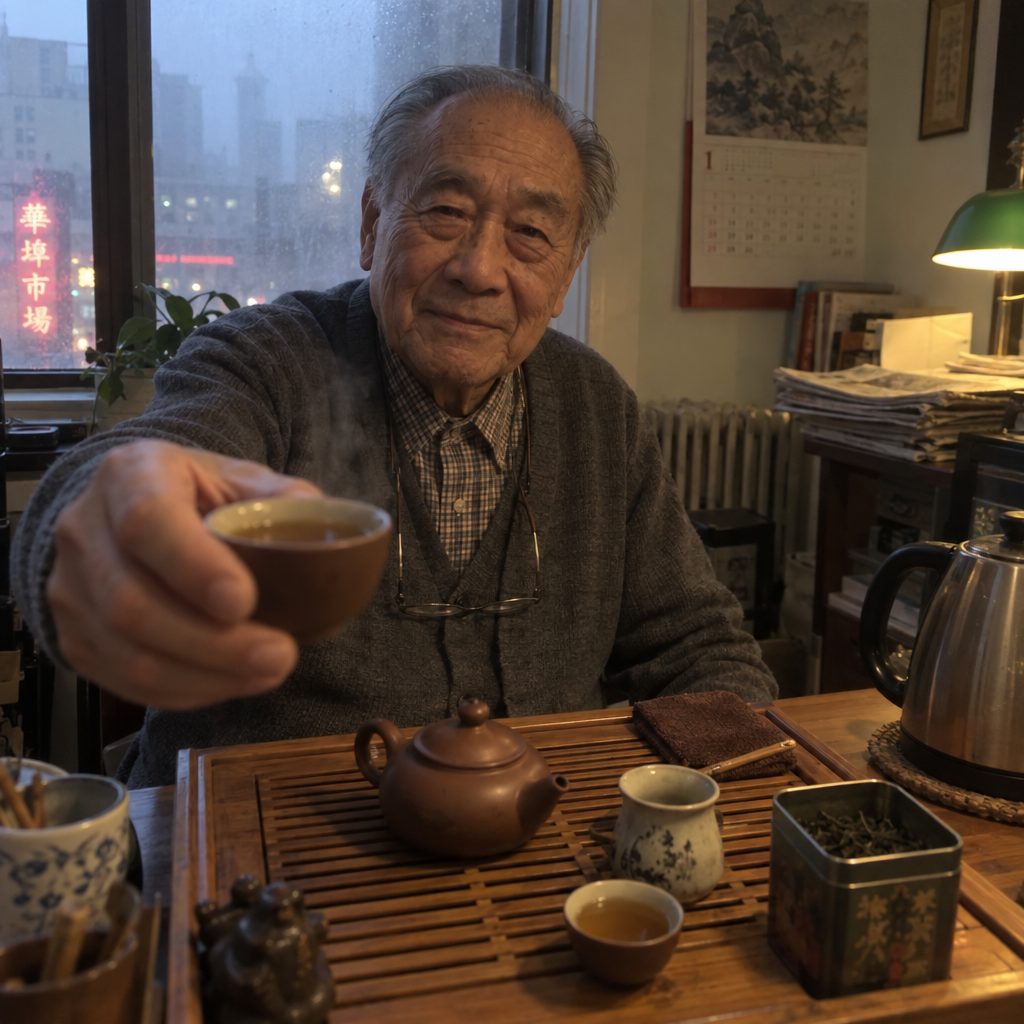
Henry has brewed tea every evening for fifty years, first for his wife, now for her empty chair and whoever sits across from him. The steam rising from a small clay cup is the closest thing he has to prayer. He pours slowly because there is nothing left to hurry for, and that, he says, is the gift.